Blog ·
Mastering Light Control: How to Design the Perfect Brightness for Your Spaces
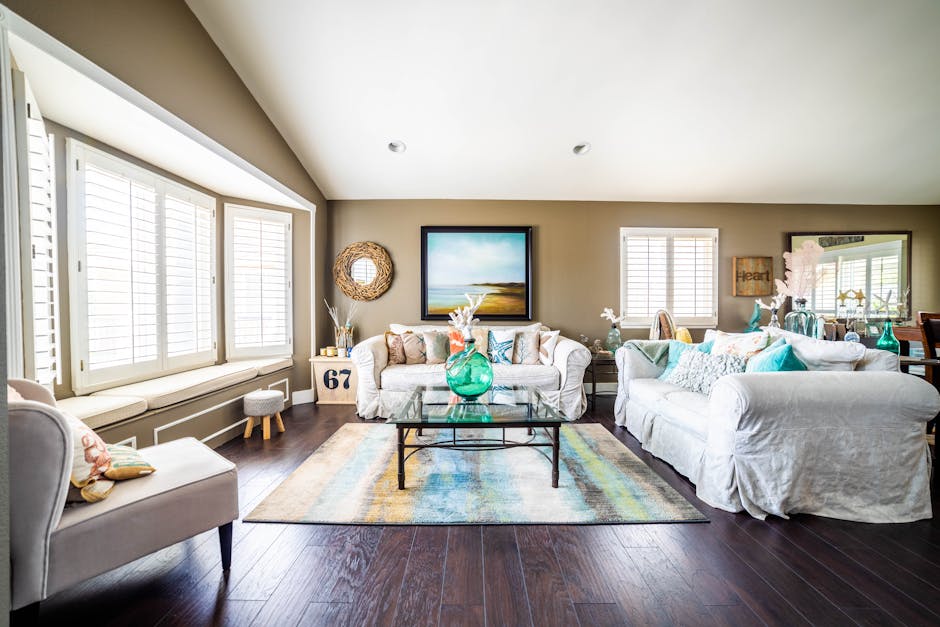
Understanding light control transforms how you experience your home throughout the day. Different window treatments offer varying degrees of light manipulation, and choosing the right approach depends on your specific needs and daily rhythms.
Sheer Shades for Soft Illumination
Sheer shades maintain a soft, diffused light that brightens spaces while reducing glare. These work well in living areas where you want natural illumination without harsh shadows on walls or furniture. They preserve your view to the outside while filtering direct sunlight, creating a balanced environment that feels both open and comfortable.
Room-Darkening for Moderate Control
Room-darkening or blackout shades provide deeper light control without complete darkness. This middle-ground option suits bedrooms and media rooms where you need significant darkness without total blackout. Many people find this level of control supports better sleep while maintaining the option to gradually brighten the space in the morning.
Complete Blackout for Maximum Darkness
Complete blackout treatments eliminate virtually all exterior light, ideal for bedrooms, nurseries, or shift workers who sleep during daylight hours. These create the most controlled environment, allowing you to establish consistent darkness regardless of outside conditions. Motorized blackout options make this control accessible without physical adjustment.
Plantation Shutters for Flexible Adjustment
Plantation shutters offer perhaps the most flexible light control available. By adjusting individual louver angles, you can fine-tune light levels from bright and airy to nearly closed. This gradual control means you're never locked into a single light setting. Throughout the day, as natural light changes, you can continuously adjust your shutters to maintain your preferred brightness level.
Window Orientation Matters
The direction your windows face significantly influences your light control needs. South and west-facing windows receive intense afternoon and evening sun, while north-facing windows offer consistent, indirect light. East-facing windows bring early morning brightness. Understanding these patterns helps you choose treatments that work with your natural light rather than fighting against it.
Seasonal and Activity Variations
Time of year also matters substantially. Summer brings longer days and higher sun angles, while winter offers lower, weaker light. Motorized treatments adapt to these seasonal changes efficiently, maintaining your preferred light levels year-round without manual adjustment. Consider your activities throughout the day as well. Video calls demand glare-free screens. Cooking requires practical visibility. Reading might need bright natural light.
The most effective approach combines treatments that allow you to modify light levels as your needs shift from morning to evening. Designing perfect light for your home means matching your window treatments to your actual daily patterns and activities.